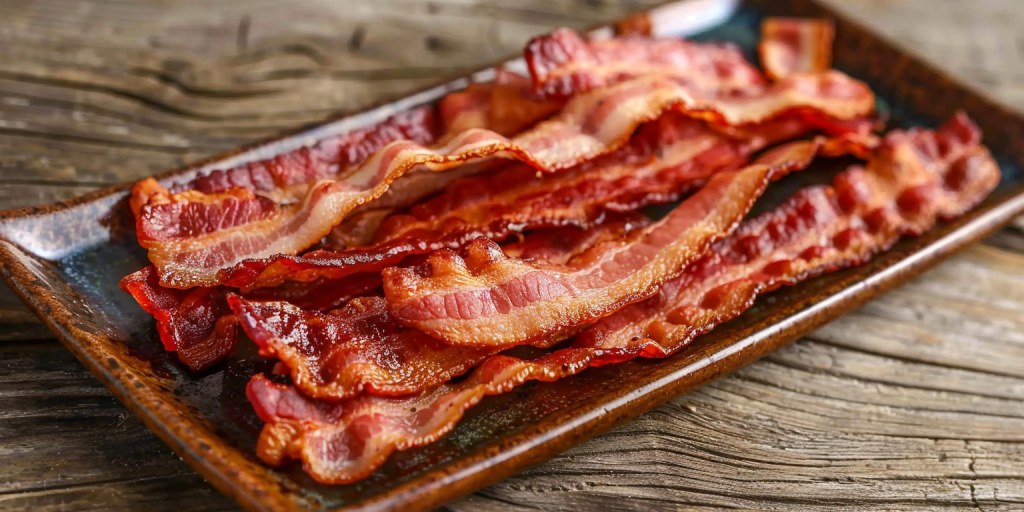
If you’ve clicked on this article, you probably have a few burning questions about fat—like why it’s such a big deal in our keto community, how much is too much, and whether you really have to give up those deliciously crispy, yet oh-so-decadent bacon strips just to lose some weight. No worries, because today, we’re going to learn about the world of dietary fat and how it can be your best friend on the keto journey.
Understanding the Role of Fat in a Keto Diet
When I first started keto, the idea of eating more fat to lose fat seemed like a crazy idea. But as I learned more, I realized it’s not just a catchy diet slogan—it’s science. The ketogenic diet flips the traditional food pyramid on its head, prioritizing fats over carbs.
Here’s a quick rundown of why this works:
Ketosis: The Metabolic Magic
The primary goal of keto is to get your body into a state of ketosis, where it burns fat for fuel instead of carbohydrates. When you drastically reduce your carb intake, your body starts producing ketones from fat, which then become your main energy source.
Here’s what happens:
– Lower Insulin Levels: With fewer carbs, your insulin levels drop, which helps your body access and burn stored fat.
– Increased Fat Burning: Your body becomes a fat-burning machine, using dietary fat and stored fat for energy.
Enhanced Mental Clarity:– Ketones are a super-efficient fuel for your brain, leading to improved focus and mental clarity.
Types of Fats: The Good, the Bad, and the Ugly
Not all fats are created equal. Understanding the different types of fats is crucial for maintaining a healthy and effective keto diet.
Let’s break it down:
Healthy Fats: Your New Best Friends
1. Monounsaturated Fats (MUFAs):
– Found in: Avocados, olive oil, nuts, and seeds
– Benefits: These fats help reduce bad cholesterol levels and lower your risk of heart disease and stroke.
2. Polyunsaturated Fats (PUFAs):
– Found in: Fatty fish (like salmon and mackerel), flaxseeds, walnuts, and sunflower seeds
– Benefits: Rich in omega-3 and omega-6 fatty acids, PUFAs are essential for brain function and cell growth.
3. Saturated Fats:
– Found in: Meat, butter, cheese, and coconut oil
– Benefits: While these have gotten a bad rap over the years, moderate consumption of saturated fats can support hormone production and cellular health.
Fats to Avoid: The Frenemies
1. Trans Fats:
– Found in: Processed and fried foods, margarine, and some baked goods
– Risks: These are artificially created fats that can raise bad cholesterol levels and increase your risk of heart disease.
2. Excess Omega-6 Fats:
– Found in: Vegetable oils (like corn oil, soybean oil), and processed foods
– Risks: While omega-6 is essential, too much can cause inflammation and health issues. Balance is key!
How Much Fat Should You Eat?

One of the most common questions I hear is, “How much fat should I be eating on keto?” The answer is: it depends. Your ideal fat intake can vary based on your goals, activity level, and overall health. Here’s a general guideline:
– 70-80% of your daily calories should come from fat. Just think of it as an excuse to indulge in all the delicious, buttery, and cheesy foods you love. Who knew being healthy could taste so good?
– 20-25% of your protein intake: are you sure you’re getting enough?
– 5-10% of the diet should consist of carbohydrates. This balance is crucial for maintaining a healthy and well-rounded dietary intake.
Let’s do some quick math. If you’re on a 2,000 calorie diet, this translates to:
– 156-178 grams of fat.
– 100-125 grams of protein.
– 25-50 grams of carbs.
Of course, these are just starting points. It’s important to listen to your body and adjust based on how you feel and how your body responds.
Practical Tips for Incorporating Healthy Fats
How do you actually incorporate all this fat into your diet without feeling like you’re drowning in a vat of oil? Here are some tips that have worked wonders for me:
Cooking and Meal Prep
– Use Healthy Oils: Cook with coconut oil, avocado oil, or olive oil. These oils are stable at high temperatures and packed with healthy fats.
– Add Butter or Ghee: Don’t shy away from adding a dollop of grass-fed butter or ghee to your veggies or meats.
– Creamy Goodness: Use heavy cream or full-fat coconut milk in your coffee or recipes for a delicious fat boost.
Snacks and Quick Bites
– Nuts and Seeds: Almonds, walnuts, chia seeds, and flaxseeds are great for on-the-go snacking.
– Avocado: Slice it, mash it, or turn it into guacamole. Avocado is a versatile and nutrient-dense source of healthy fats.
– Cheese: Cheese sticks, cubes, or slices can be a convenient and tasty way to get more fat in your diet.
Fat Bombs: Keto’s Best Kept Secret
Fat bombs are a game-changer. These little snacks are high in fat and low in carbs, perfect for when you need a quick energy boost or a sweet treat. Here’s one of my favorite recipes:
Chocolate Almond Fat Bombs:
– Ingredients:
– 1/2 cup almond butter
– 1/4 cup coconut oil
– 2 tablespoons cocoa powder
– 1 tablespoon sweetener (like stevia or allulose)
– A pinch of salt
– Instructions:
1. Melt the coconut oil and almond butter together in a saucepan over low heat.
2. Stir in the cocoa powder, sweetener, and salt until well combined.
3. Pour the mixture into silicone molds or a lined baking dish.
4. Freeze for about an hour, then pop them out and enjoy!

Debunking Common Fat Myths
Picture this: you’re standing in the grocery store aisle, hesitating between the low-fat and regular yogurt. For years, you’ve been bombarded with warnings about the dangers of dietary fat, leading you to shy away from it. Well, it’s high time to debunk those persistent myths that have haunted you for decades and finally set the record straight.
Myth 1: Eating Fat Makes You Fat
This is probably the biggest and most widespread myth. Eating fat does not make you fat. In fact, on a keto diet, eating fat can help you lose weight. The key is the absence of carbs, which prevents insulin spikes and helps your body burn fat for fuel.
Myth 2: Saturated Fat is Bad for Your Heart
We’ve been told for years that saturated fat clogs your arteries and leads to heart disease. However, recent studies have shown that there is no significant evidence linking saturated fat to heart disease. Moderate consumption of high-quality saturated fats can actually be part of a healthy diet.
Myth 3: You Need Carbs for Energy
Our bodies are incredibly adaptable. While carbs are the traditional source of energy, they are not the only source. When you’re in ketosis, your body efficiently uses fat and ketones for fuel, providing you with steady energy levels throughout the day.
Personal Reflections: My Keto Journey
Let me take you back to the beginning of my keto journey. I was confused and skeptical about all the fat I was supposed to eat. But as I started to see the benefits—weight loss, increased energy, mental clarity—bacon—I became a true believer.
Initial Struggles
The first few weeks were tough. The infamous “keto flu” hit me hard, and I questioned my sanity for choosing this path. But I pushed through, armed with electrolytes and plenty of fatty foods. Gradually, my body adapted, and I started to feel better.
Sweet Victories
I remember the day I slipped into smaller jeans, the ones that had been mocking me from the back of the closet for years. It was a small victory, as I still have a-ways to go, but it felt monumental. My energy levels soared, my skin cleared up, and my mood improved. I was hooked.
Lessons Learned
– Patience is a Necessary Skill: Your body needs time to adjust to burning fat instead of carbs. Be patient and stick with it.
– Listen to Your Body: Pay attention to how different foods make you feel. Everyone’s keto journey is unique.
– Community Support: Join keto forums, follow keto influencers, and find a support system. It makes a world of difference.
To Sum Up: Embrace the Fat
Rethinking fat in your diet isn’t just about eating more of it—it’s about understanding the vital role it plays in your health and well-being. On a keto diet, fat is your ally, providing you with energy, aiding in weight loss, and supporting overall health.
So, next time someone raises an eyebrow when you drizzle extra olive oil on your salad or reach for that second slice of cheese, just smile and know that you’re on the right track. Embrace the fat, enjoy the journey, and let’s continue to redefine what healthy eating looks like.
You Got This!
References:
Recent studies have challenged the traditional view that saturated fat consumption is directly linked to heart disease. Here are a few notable studies:
1. “Saturated Fat and Cardiovascular Disease: The Great Hypothesis But Where is the Evidence?” by Harcombe et al. (2016)
– Synopsis: This study reviewed existing randomized controlled trials and cohort studies to evaluate the association between saturated fat intake and cardiovascular disease. The authors concluded that there is no significant evidence to support a direct link between saturated fat and heart disease.
– Access: Available at [NCBI PubMed](https://www.ncbi.nlm.nih.gov/pubmed/26878763)
2. “Dietary Fat Intake and Risk of Cardiovascular Disease in Women” by Jakobsen et al. (2009)
– Synopsis: This cohort study examined the relationship between types of dietary fat and the risk of cardiovascular disease in women. It found no significant association between saturated fat intake and heart disease risk when compared to carbohydrate intake.
– Access: Available at [The American Journal of Clinical Nutrition](https://academic.oup.com/ajcn/article/89/5/1425/4596827)
3. “Saturated Fats and Health: A Reassessment and Proposal for Food-Based Recommendations: JACC State-of-the-Art Review” by Siri-Tarino et al. (2020)
– Synopsis: This comprehensive review reassessed the role of saturated fats in health and proposed new food-based dietary guidelines. The review found insufficient evidence to conclude that saturated fat intake is associated with increased cardiovascular disease risk.
– Access: Available at [Journal of the American College of Cardiology](https://www.jacc.org/doi/10.1016/j.jacc.2020.05.077)
4. “The Seven Countries Study: An Ecological Analysis of Changes in Coronary Heart Disease Mortality and Its Association with Risk Factors” by Kromhout et al. (2000)
– Synopsis: This ecological analysis of the Seven Countries Study looked at changes in coronary heart disease mortality over time and its association with various risk factors, including dietary saturated fat. It found that changes in heart disease mortality could not be explained by saturated fat intake alone.
– Access: Available at [European Journal of Epidemiology](https://link.springer.com/article/10.1023/A:1007606511204)
These studies highlight the complexity of dietary impacts on heart health and suggest that saturated fat may not be as harmful as previously thought. You can access these articles through the provided links for more detailed information.
 Savvy Keto
Leave a comment