
Starting on a keto journey can feel like stepping into a parallel world.
My first trip to the grocery store, after deciding to try keto, was shocking, to say the least. I stood in the middle of the aisles, feeling overwhelmed by the countless options and unsure of what to put in my cart. With time and experience, I figured out that a well-prepared grocery list is a sanity-saver. It saves time, reduces stress, and ensures that I always have the right ingredients to stay on track. Here is a helpful guide that I put together on how to prepare a keto grocery list, packed with tips and insights from my own keto experiments.
Understanding Keto Basics
If you have come here from the article “7 Tips…,” you already have a grasp on the fundamentals of the ketogenic diet. But if you are new here (welcome!), let’s recap a bit: The keto diet focuses on high-fat, moderate-protein, and low-carb foods. The goal is to enter a state of ketosis, where the body burns fat for fuel instead of carbohydrates. This shift requires careful planning and a good understanding of which foods are keto-friendly and which are not.
Step 1: Planning Your Meals
The first step in creating a grocery list is planning your meals for the week. This not only helps you stay organized but also ensures that you have a variety of meals to enjoy. When I plan my meals, I aim for a mix of protein, healthy fats, and low-carb vegetables. Here’s a simple meal plan outline that you can use:
– Breakfast: Eggs cooked in butter, avocado, and bacon.
– Lunch: Grilled chicken salad with olive oil and vinegar.
– Dinner: Baked salmon with asparagus and a side of cauliflower rice.
– Snacks: Cheese sticks, nuts, and keto fat bombs.
I highly recommend starting simple with this diet. You’ve got a lot on your plate (No pun intended. Really!). Starting simple with your meals will be one less thing to think about. Then, as you gain confidence in your knowledge of this diet, you can start experimenting with keto-friendly recipes you find interesting.
Step 2: Categorize Your Grocery List
Organizing your grocery list by categories can make your shopping trip more efficient. Here’s how I categorize my list:
| Proteins | Vegetables | Fats and Oils |
|---|---|---|
| – Chicken breasts/thighs | – Spinach | – Olive oil |
| – Ground beef | – Kale | – Coconut oil |
| – Pork chops | – Broccoli | – Avocado oil |
| – Salmon | – Cauliflower | – Butter |
| – Bacon | – Zucchini | – Ghee |
| – Eggs | – Avocado | – Heavy cream |
| – Bell peppers |
| Dairy | Nuts and Seeds | Miscellaneous |
|---|---|---|
| – Cheese (cheddar, mozzarella, cream cheese) | – Almonds | – Bone broth |
| – Greek yogurt (full-fat, plain) | – Walnuts | – Spices (salt, pepper, garlic powder, etc.) |
| – Sour cream | – Chia seeds | – Almond flour |
| – Flaxseeds | – Coconut flour | |
| – Sunflower seeds | – Sugar-free sweeteners (erythritol, stevia, allulose) |

Step 3: Reading Labels
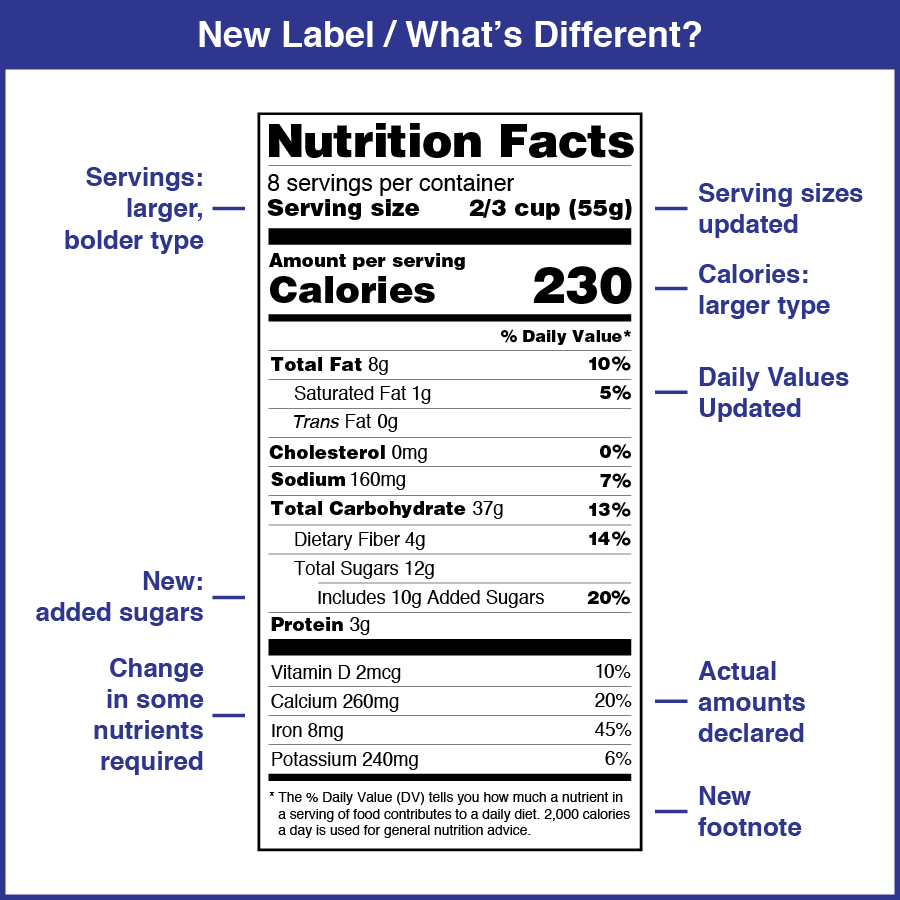
One of the most important skills I’ve developed on my keto journey is reading nutrition labels. It’s crucial to check the carb content of packaged foods, even those that seem keto-friendly. For example, some processed meats or dairy products can contain hidden sugars or starches. I always look for items with low net carbs (total carbs minus fiber) and minimal additives.
The official formula for figuring out your NET CARBS is this:
TC – DF – SA = NC
where :
TC = Total Carbs
DF = Dietary Fiber
SA = Sugar Alcohols
NC = Net Carbs
Step 4: Stocking Up on Staples
Having a well-stocked pantry with keto staples can make meal prep easier and help you stay on track. Here are some staples I always keep on hand:
– Coconut flour and almond flour for baking. Pork Rind Panko for carb-free breading!
– Canned tuna and sardines for quick protein options. I also go for peanut butter.
– Olives and pickles for snacks.
– Coconut milk and almond milk for smoothies and recipes.
– Keto-friendly condiments like mustard, mayonnaise, and hot sauce.
Step 5: Exploring New Ingredients
Part of the fun of keto is experimenting with new ingredients and recipes. When I first started, I discovered the wonders of shirataki noodles, also known as miracle noodles, which are a low-carb alternative to pasta. I also started using nutritional yeast for a cheesy flavor in dishes without the carbs. Zoodles (zucchini noodles) and Spaghetti Squash (use sparingly) make great pasta replacements.
Step 6: Shopping Smart
Here are some tips that have helped me shop smarter and stay within my budget:
– Buy in bulk: Items like nuts, seeds, and meats are often cheaper when purchased in larger quantities.
– Look for sales: Keep an eye out for discounts on keto staples and stock up when prices drop.
– Choose fresh produce: Fresh vegetables are usually less expensive and more nutritious than pre-packaged options.
– Consider frozen options: Frozen vegetables are convenient and often just as nutritious as fresh ones.
Step 7: Avoiding Temptations
One of the challenges I faced early on was avoiding the temptation to buy non-keto foods. Here’s how I handle it:
– Stick to the perimeter: Most grocery stores have fresh produce, meats, and dairy along the outer edges. I try to stick to these areas and avoid the inner aisles where processed foods are typically found.
– Make a list and stick to it: Having a list helps me stay focused and avoid impulse purchases.
– Shop AFTER eating: I’ve found that I make better food choices when I’m not hungry. Who knew?!?
Sample Grocery List
Here’s a sample grocery list based on my typical weekly shopping trip:
| Category | Items |
|---|---|
| Proteins | – 2 lbs chicken breasts |
| – 1 lb ground beef | |
| – 1 lb pork chops | |
| – 1 lb salmon | |
| – 1 package of bacon | |
| – 1 dozen eggs | |
| Vegetables | – 2 bags of spinach |
| – 1 bunch of kale | |
| – 2 heads of broccoli | |
| – 1 head of cauliflower | |
| – 4 zucchinis | |
| – 4 avocados | |
| – 3 bell peppers | |
| Fats and Oils | – 1 bottle of olive oil |
| – 1 jar of coconut oil | |
| – 1 bottle of avocado oil | |
| – 1 lb butter | |
| – 1 jar of ghee | |
| – 1 pint of heavy cream | |
| Dairy | – 1 block of cheddar cheese |
| – 1 block of mozzarella cheese | |
| – 1 package of cream cheese | |
| – 1 container of full-fat Greek yogurt | |
| – 1 container of sour cream | |
| Nuts and Seeds | – 1 bag of almonds |
| – 1 bag of walnuts | |
| – 1 bag of chia seeds | |
| – 1 bag of flaxseeds | |
| – 1 bag of sunflower seeds | |
| Miscellaneous | – 2 cans of bone broth |
| – 1 jar of almond flour | |
| – 1 jar of coconut flour | |
| – 1 package of erythritol | |
| – 1 bottle of stevia drops | |
| – Assorted spices (salt, pepper, garlic powder, etc.) |
Conclusion
Preparing a keto grocery list may seem like a lot of work initially, but it becomes second nature with practice. A well-thought-out list ensures that you have everything you need to stay on track with your keto diet, makes your shopping trips more efficient, and helps you avoid the pitfalls of non-keto temptations. Remember, the key to success on a ketogenic diet is planning and preparation.

 Savvy Keto
Leave a comment